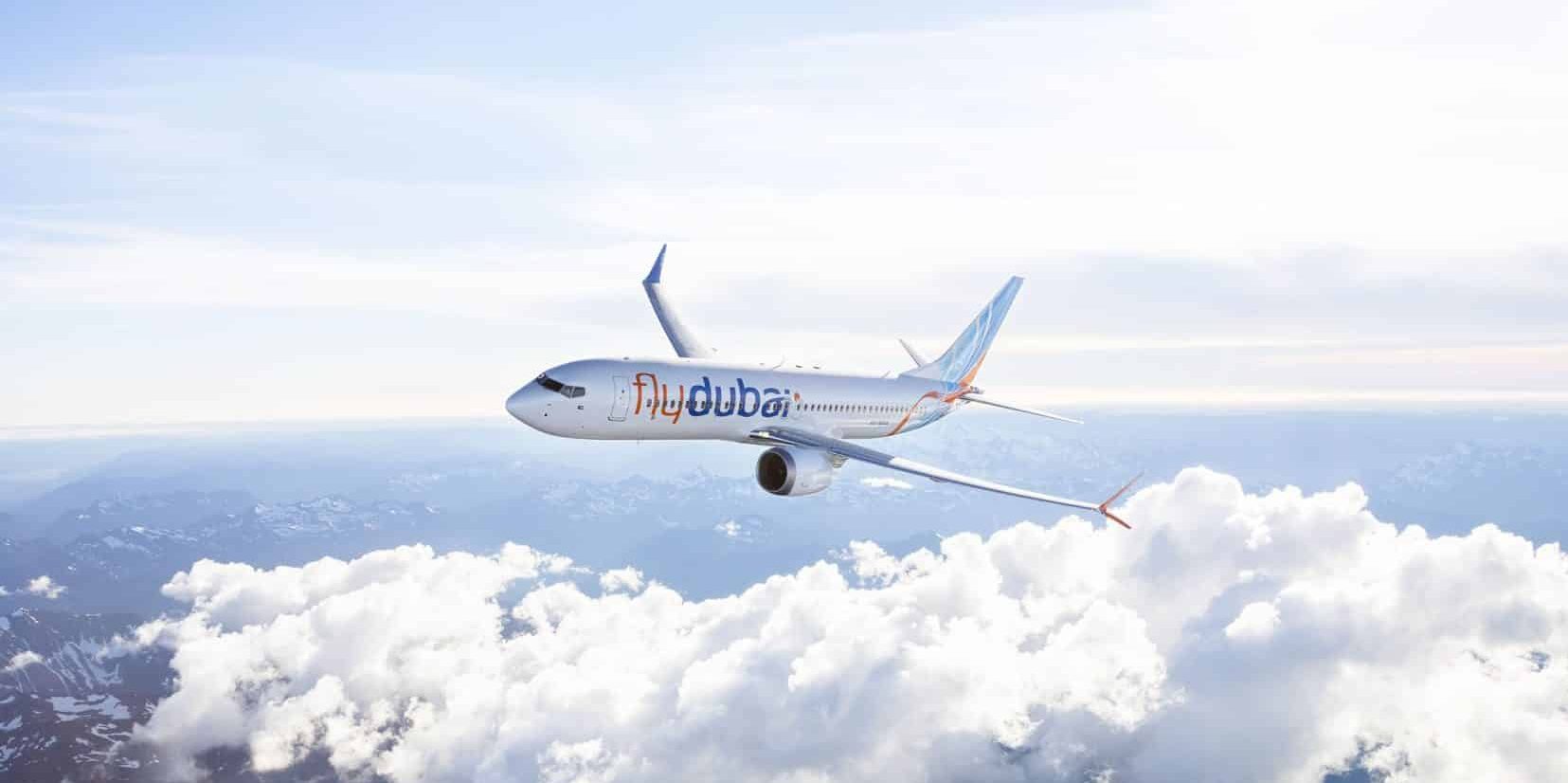
The investigation into the attempted takeover of flydubai Flight FZ1073 has widened into an international security inquiry amid new reports that the first officer accused of attacking the captain may have planned an attack on an Israel-bound aircraft before joining the airline.
The Boeing 737 MAX 8 was flying from Dubai to Tel Aviv on Sept. 30 when the first officer attacked Captain Smit Machchhar inside the cockpit. The United Arab Emirates’ prosecutor general has now officia
The investigation into the attempted takeover of flydubai Flight FZ1073 has widened into an international security inquiry amid new reports that the first officer accused of attacking the captain may have planned an attack on an Israel-bound aircraft before joining the airline.
The Boeing 737 MAX 8 was flying from Dubai to Tel Aviv on Sept. 30 when the first officer attacked Captain Smit Machchhar inside the cockpit. The United Arab Emirates’ prosecutor general has now officially characterized the incident as an attempted “terrorist attack,” saying the first officer used the aircraft’s emergency crash axe to attack Machchhar and attempted to take control of the aircraft.
Two sources with knowledge of the investigation have identified the first officer as Omani national Hamam al-Hammami, although UAE authorities and flydubai have not publicly confirmed his identity. He was initially detained in Saudi Arabia following the aircraft’s emergency landing at Tabuk and was transferred to the UAE on Oct. 1, where he remains in custody. No formal charges have yet been announced.
The latest development raises significant questions about airline employee vetting. Reuters reported Monday that al-Hammami told UAE interrogators that he sought employment with flydubai after researching airlines operating flights to Tel Aviv, according to two Israeli officials familiar with the investigation. Another source briefed on the probe said he had previously intended to hijack and crash a Tel Aviv flight he operated earlier this year but abandoned that plan. Reuters has not independently verified those claims, and UAE authorities have not publicly commented on them.
Associated Press reports that al-Hammami had previously been barred from flying by Oman because of concerns over extremist views. Royal Air Maroc has also confirmed that he underwent three months of theoretical training with the airline in 2025 but was subsequently rejected for employment. Authorities in Australia and New Zealand are now examining periods he spent in those countries.
Questions are also being raised about how an Omani citizen was assigned to an Israel-bound flight. Israeli officials say pilots who are citizens of countries without diplomatic relations with Israel, including Oman, are not permitted to operate flights into the country. Airlines are required to provide Israel with passenger and crew information in advance. AP reports that UAE authorities did provide Israel with a list containing the crew’s names and nationalities before FZ1073 departed, but Israeli authorities raised no warning about any crew member.
Machchhar’s actions during the attack have been widely credited with helping prevent a catastrophe. Despite being seriously wounded, he managed to release the locked cockpit door, allowing passengers and crew to enter and overpower the first officer. A reserve flydubai pilot traveling aboard the aircraft subsequently took control and landed safely at Tabuk.
The UAE General Civil Aviation Authority has praised Machchhar, the crew and passengers for their “remarkable courage” and rapid response. The GCAA said Machchhar has returned safely to the UAE, is in good condition and continues to receive medical treatment.
The aircraft’s flight profile illustrates the severity of the incident. Flightradar24 data reviewed by Reuters indicates FZ1073 lost approximately 16,000 feet in about 30 seconds during the cockpit attack. An aviation instructor who recreated the descent in a Boeing 737 MAX simulator for Reuters described the experience as similar to a “vertical roller coaster,” with negative G forces potentially lifting unrestrained occupants from their seats.
The investigation is now increasingly focused on the security chain that allowed the first officer to reach the cockpit of an Israel-bound aircraft: his recruitment and background checks, reports of previous extremist concerns, his assignment to the Tel Aviv route and the apparent failure of advance crew screening to identify a security concern.
The UAE is leading the investigation in coordination with Saudi, Israeli and other authorities. The GCAA has cautioned against prejudging findings and says official conclusions will be released after investigators complete their work.