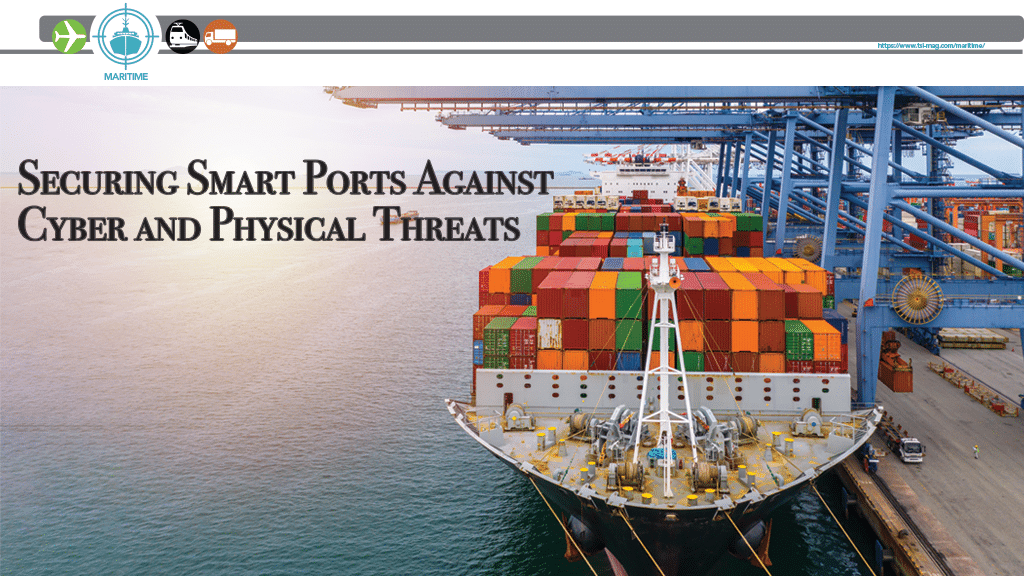
Modern maritime shipping hubs are increasingly adopting digitisation, automation, and artificial intelligence to enhance efficiency, yet this technological shift exposes them to severe cyber and physical vulnerabilities. The dangerous convergence of enterprise information technology and operational technology leaves critical infrastructure like cranes and cargo machinery susceptible to unauthorised remote interference through weak authentication and unmonitored shadow networks. Furthermore, third-party vendor access points and connected smart vessels create a vastly expanded attack surface that malicious actors can exploit to cause widespread operational paralysis and supply chain bottlenecks. To combat these escalating risks, maritime authorities must implement strict zero-trust security principles, physics-aware system testing, and comprehensive network segmentation. Ultimately, by establishing rigorous access controls, continuous asset visibility, and tested manual fallback procedures, port operators can better protect global trade against evolving digital and physical threats.